


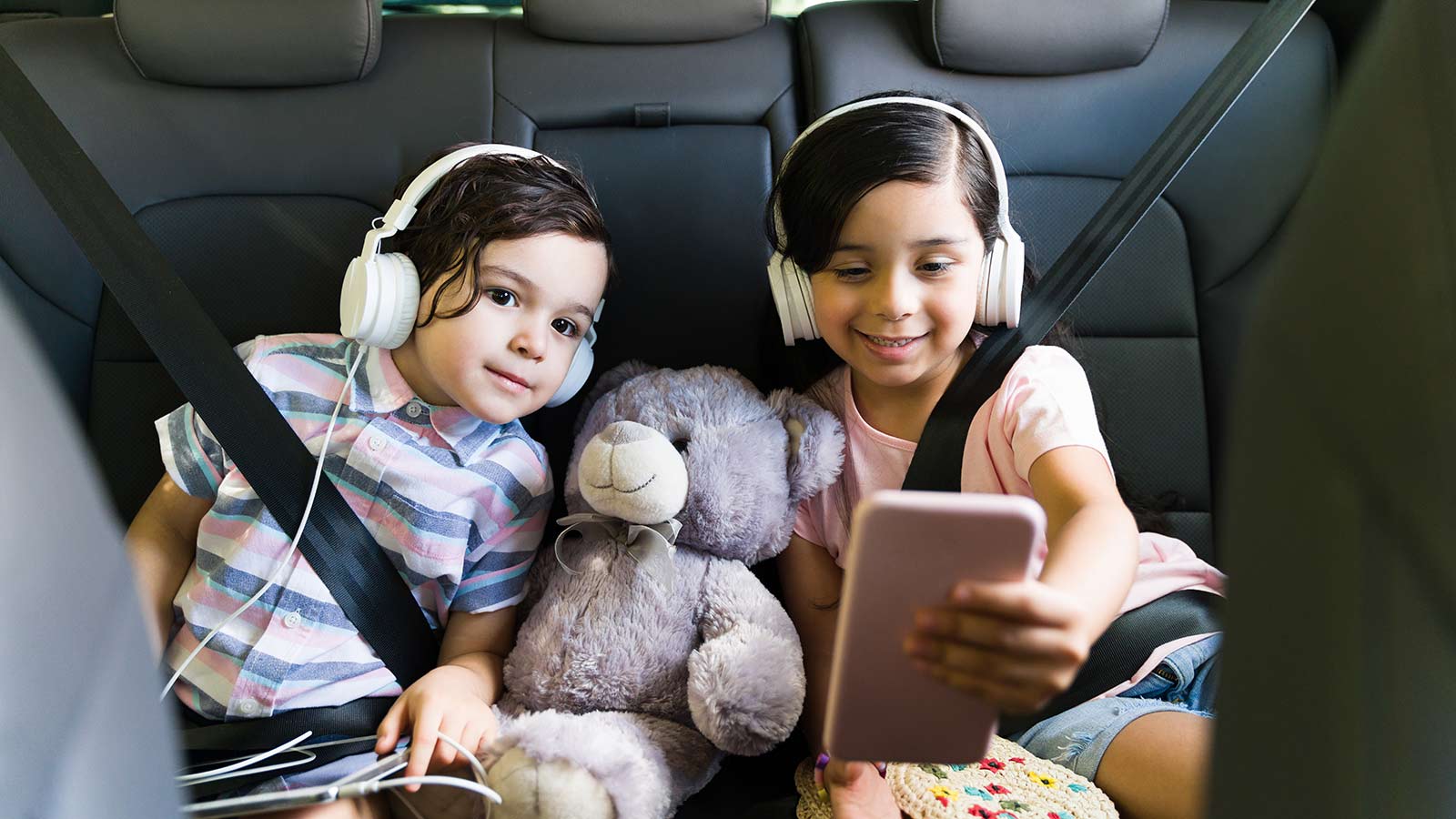
As technological innovations like cellphones and tablets have become more prevalent over the past few decades, young people have been spending more of their time immersed in these gadgets. Whether in the classroom for study, or at home for entertainment, many children are also using earbuds or headphones to hear what is happening on the screen. Children should not be exposed to loud sounds for long periods, and parents need to monitor the volume of what their children listen to and determine which type of headphones are best for their family. Parents may ask, are earbuds safe for children? Here are some things to consider when choosing which ones to use.
Volume control, noise-reduction
When using headphones or earbuds, kids tend to turn up the volume and listening at a high volume can cause hearing damage. In fact, researchers found that 1 in 6 to 8 middle and high school students (ages 12–19 years) had measurable hearing loss likely resulting from excessive noise exposure. Approximately three in four teenage students reported exposure to loud sounds at school, and nearly one-half (46.5%) reported exposure regularly.
Hearing experts recommend that kids of all ages should follow a 60/60 rule: use headphones and earbuds at 60% volume. Phones and other devices often set a maximum audio level and then listen for only 60 minutes at a time. Taking breaks like these will allow your child’s hearing to rest and recover. Additionally, noise-canceling headphones can help block ambient sounds, reducing the temptation to raise the volume. It’s helpful to look for models that significantly minimize background noise for safer listening.
On-ear headphones vs. over-the-ear
Sometimes called earphones or “earbuds”, in-ear headphones are perhaps the most common type of headphone. Due to their small size, they are portable and create a nice seal inside your ear canal, helping to isolate you from the outside world. The biggest potential risk of using earbuds is hearing loss and tinnitus resulting from damage to your inner ear. Earbuds can also get dirty from earwax, dried sweat, and oil from your skin, which allows dirt and grime to collect and can lead to ear infections.
Over-the-ear headphones are usually more comfortable, thanks to their cushioning, and provide a great seal to limit outside noise. They don’t funnel the sound directly into the ear canal, which can reduce the risk of damage from loud sound levels. However, the over-the-ear headphones are not as portable, which can make them less convenient for a family on the go.
Comfy, proper fit
The right headphone style should have cushioned ear cups that fit comfortably over or on kids’ ears. If using earbuds, they should come ready to use with silicone tips in several sizes. Choose a size that fits well inside kids’ ears, so the earbuds don’t fall out. Many parents are tempted to pass down their used headphones, but headphones made for adults often are heavier and less comfortable for kids and don’t fit nearly as well. For young kids, consider getting a headband option that has small speakers tucked in the area over the ears. These headbands are made of stretchy material that fits comfortably around kids’ heads. This style works well for younger children, or kids with special needs or sensory issues.
Kids need good hearing to grow and develop. Hearing loss can affect the development of children’s ability to engage in age-appropriate activities, their functional speech communication skills, and their language skills. A child with hearing issues may struggle in school, become restless, or disengage from their lessons. Research shows that anywhere from 25% to 35% of children with unilateral hearing loss are at risk of failing at least one grade level. With earbuds, headphones, and other personal audio devices becoming part of daily life, it’s especially important for parents to limit their child’s exposure to loud noises and work with their health provider to check their child’s hearing. The American Academy of Pediatrics and the CDC recommend routine hearing screenings for children and regular monitoring if they use headphones frequently. Taking these steps helps protect their hearing today and supports healthy development for years to come.
Sources and References:
CDC: Survey of Teen Noise Exposure and Efforts to Protect Hearing at School
Mayo Clinic: The 60-60 Rule for Safer Listening
HealthPartners.com: Symptoms, Causes, and Treatment of Tinnitus
HealthPartners.com: Types of Ear Infections
Hearing Health Foundation: Earbuds Vs. Over-the-Ear Headphones
National Library of Medicine: Hearing Loss in Children
HealthyHearing.com: Hearing Loss can Mimic Learning Disorders
Want the latest & greatest from our health blog straight to your inbox?
Subscribe today for a periodic email with our latest posts.
