


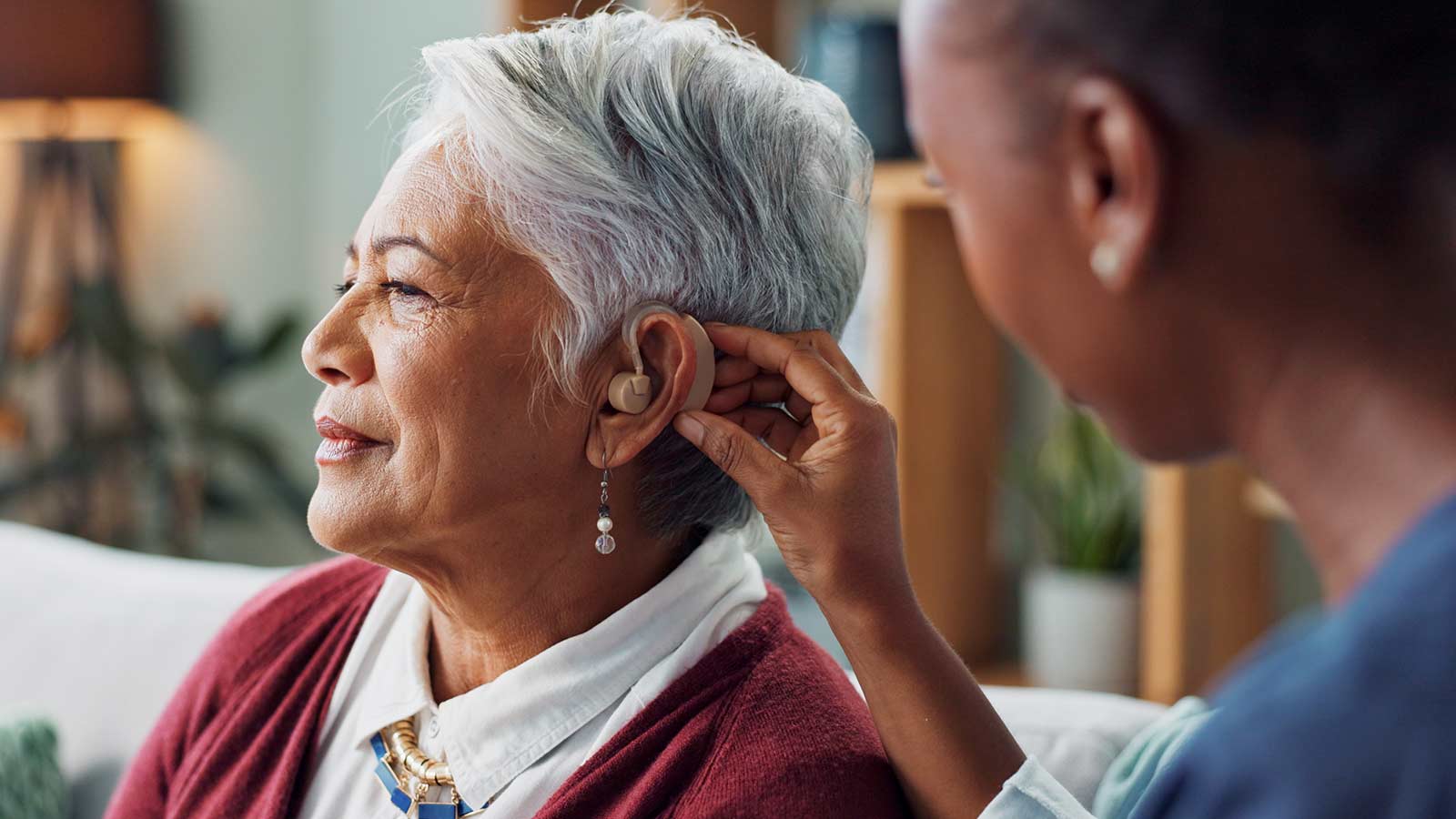
Approximately About 37.5 million Americans have some form of hearing loss, but many people who could benefit from hearing aids don’t use them. Despite potentially benefiting from using hearing aids, only 38% of users wear them for a majority of the week (five to seven days). Here are four reasons why people don’t wear hearing aids.
1. Complexity and ease of use
New hearing aid styles are sleek with nearly invisible designs; they feature remarkable improvements that now work like minicomputers. Some users may have vision or dexterity issues that make navigating the controls on the company app or pressing small buttons on the hearing aids difficult. This may lead to frustration and result in the user simply not using the hearing aids. The latest hearing aids can now automatically analyze incoming sounds, identify recurring patterns, and over time, recognize the difference between a noisy restaurant and a quiet room. Based on your needs, your hearing aids will automatically adjust to the environment you are in and reduce the need for user interaction.
2. Cost concerns
The average cost of a pair of hearing aids can range from $2,000 to $7,000 without insurance, and they are often not covered by Medicare or other health insurance plans. There was also an additional hurdle: until recently, hearing aids could only be obtained through a physician, audiologist, or hearing care professional. In 2022, the U.S. Food and Drug Administration created a new category of over-the-counter (OTC) hearing aids for adults. OTC hearing aids now range from a few hundred dollars to around $1,500, depending on features and technology.
3. Perceived stigma and appearance
Survey results indicate that nearly half (48%) of those with hearing loss believe that there is still a stigma around wearing a hearing aid. Because hearing aids are often associated with aging and disability, some people are hesitant to use them, fearing they will be seen as old or incapable. Almost one in five people say they don’t want to be seen wearing a hearing aid and 66% say they would be willing to wear one if it isn’t visible. New technology allows custom-fit devices that sit deep inside your ear canal, making them nearly undetectable and ideal for people with mild to moderate hearing loss who prioritize discretion.
4. Underestimating hearing loss
Hearing loss often happens gradually over many years, which means that many people do not realize how much their ability to hear has reduced, or how their hearing loss has affected their quality of life. Since this process is slow, it can make it difficult for a hearing-impaired person to decide when the loss is severe enough to act on, and wear hearing aids. Many people will often postpone this decision and claim that their hearing loss isn’t bad. Highlighting some symptoms of hearing loss may create conversation starters. These can include:
- Does it sound like people are mumbling on the TV or radio?
- Do you have a history of hearing loss in your family?
- Do you have trouble hearing at parties or restaurants, or other locations with a lot of background noise?
- Do you find yourself often increasing the volume on the TV or radio?
Many of the reasons people have traditionally given for avoiding hearing aids no longer reflect today’s technology and options. Technology has reduced the price, made the previously bulky over-the-ear hearing aids that are now virtually invisible, and smart units use AI technology to automatically adjust levels, so you don’t have to deal with small buttons or apps. The health benefits of better hearing outweigh the outdated reasons people previously used to avoid using hearing aids.
Want the latest & greatest from our health blog straight to your inbox?
Subscribe today for a periodic email with our latest posts.
