


Parents spend a lot of time thinking about their children’s health, doctor visits, nutrition, sleep, and screen time, but dental health often flies under the radar until their child begins to complain of a toothache. A child’s dental habits and oral health play a critical role in their overall well-being, affecting everything from nutrition and speech development to learning and long-term health habits. The Centers for Disease Control reports that “cavities (also known as caries or tooth decay) are the most common chronic disease of childhood in the United States. They state that more than half of children aged 6 to 8 years have had a cavity in at least one of their baby (primary) teeth. Also, more than half of adolescents aged 12 to 19 years have had a cavity in at least one of their permanent teeth.” It’s important for parents to learn a few key facts about children’s dental health to help prevent common problems.
Decay starts early
A common question parents ask is “How soon should I take my child to the dentist?” According to the American Academy of Pediatric Dentistry, it is recommended that parents take their child for an oral health check-up when their baby teeth begin to emerge, or by their first birthday. At this time, the dentist can give you information on topics like best infant feeding practices, teething, mouth cleaning, and even pacifier and finger sucking habits.
Childhood cavities are concerning because baby teeth have the important job of holding the space for permanent teeth. They also help children when developing their abilities to talk, eat and smile. For these reasons, it’s important to start caring for your child’s teeth from the start and help them keep up good habits to protect their smile.
Tips to help prevent early childhood cavities:
- Never put sugary drinks like juice or soda in a child’s bottle.
- Don’t put the child to bed with a bottle or use a bottle to calm a fussy baby.
- Don’t share silverware with your child to avoid exposing them to your germs and/or any cavity-causing bacteria.
- Don’t dip a pacifier in sugar or honey before giving it to your child, and don’t use your mouth to “clean off” a pacifier or anything else that will go in your child’s mouth.
- After feeding your baby, clean their gums with a damp washcloth.
- Once your child’s teeth start to come in, begin brushing them with a smear (the size of a grain of rice) of toothpaste.
- Arrange your child’s first dental visit at the age of one or with the eruption of the first tooth.
Impact on quality of life
Poor oral hygiene in children, particularly untreated tooth decay, may hinder development by causing chronic pain, malnutrition, speech delays, and, according to the National Institutes of Health (NIH), significantly lower academic performance and confidence. It can cause sleep disruption, missed school days, and social anxiety due to embarrassment about their smile. Untreated dental caries and lack of regular dental follow-up may result in systemic infections, including tooth abscesses, meningitis, osteomyelitis, or infective endocarditis.
Long-term effects
The mouth serves as a gateway to the rest of the body. Healthcare professionals continue to uncover evidence supporting the oral-systemic link. Symptoms of various health issues can often be detected first in the mouth. Cavities and gum disease (gingivitis) can cause severe pain, swelling, and infections, such as tooth abscesses, which can spread to other parts of the body. Harmful bacteria originating in the mouth can enter the bloodstream, potentially leading to severe systemic conditions down the road. It’s important for parents to establish proper brushing and cleaning habits in children in order to minimize the chances of developing these conditions later in life.
Key daily habits
To ensure good oral hygiene for kids, brush teeth twice daily for two minutes with fluoride toothpaste, a rice-sized smear for toddlers, pea-sized for ages 3+ and start flossing as soon as teeth touch. Make it fun with character toothbrushes, establish a routine, visit a dentist by age one, and limit sugary snacks.
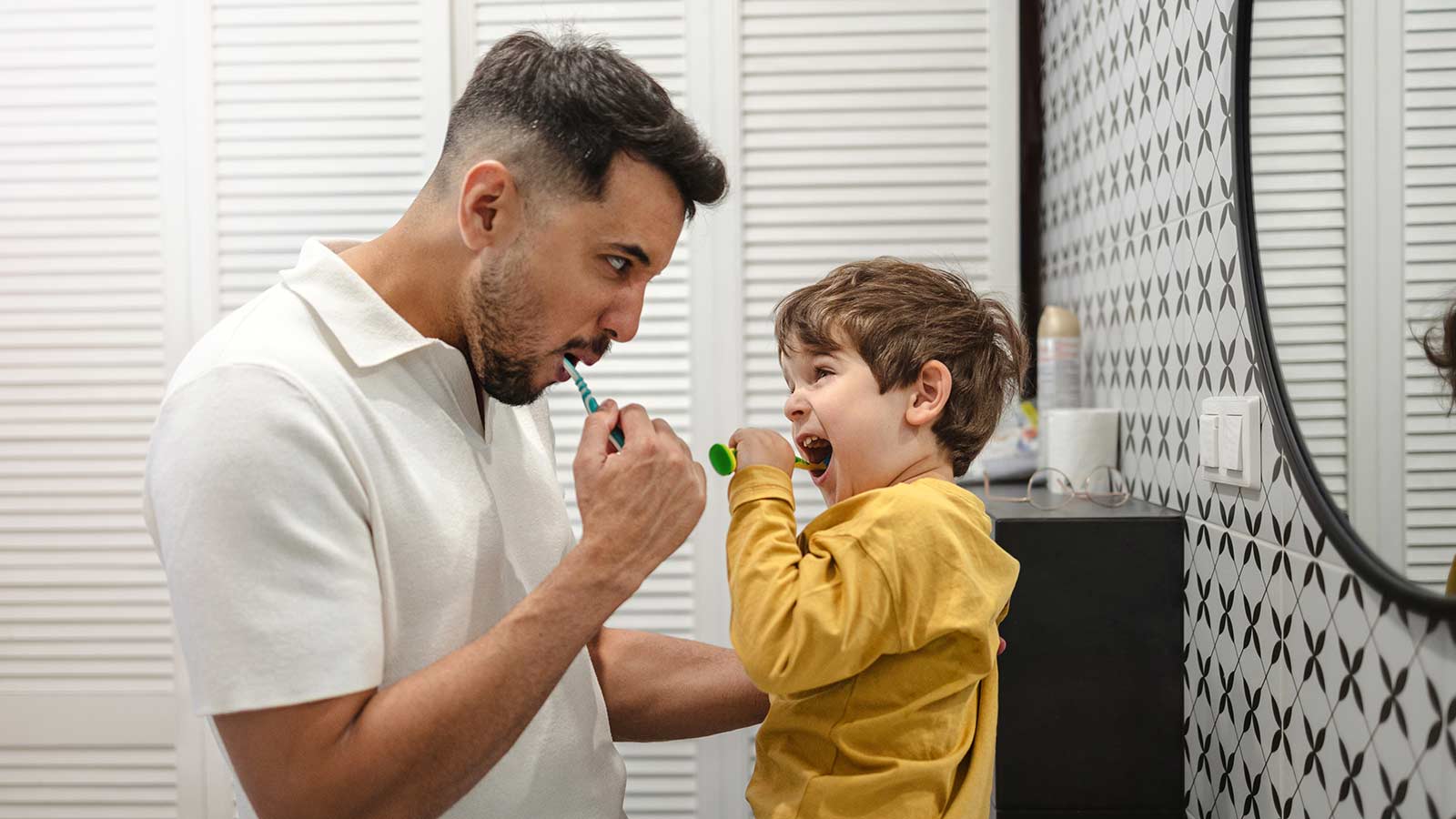
Parents can brush their teeth at the same time as their children, or encourage the child to watch them brush and floss to help them model behavior and develop habits. Let the child select their toothbrush, toothpaste flavor, and flosser with features that include their favorite characters and make brushing and flossing more engaging. It is recommended that children visit the dentist for their first check-up when their first tooth appears, or no later than their first birthday. A check-up every six months is recommended to prevent cavities and other dental problems.
Preventing cavities in children isn’t about perfection; it’s about consistency and developing healthy habits that will last a lifetime. By encouraging regular brushing and flossing, limiting sugar snacks and drinks, and scheduling regular dental visits, parents can reduce the risk of tooth decay. Just as importantly, these daily routines teach kids that caring for their teeth is a normal and important part of taking care of themselves. Parents can help their children build strong oral health habits at a young age that will keep them healthy and confident throughout their lives.
