


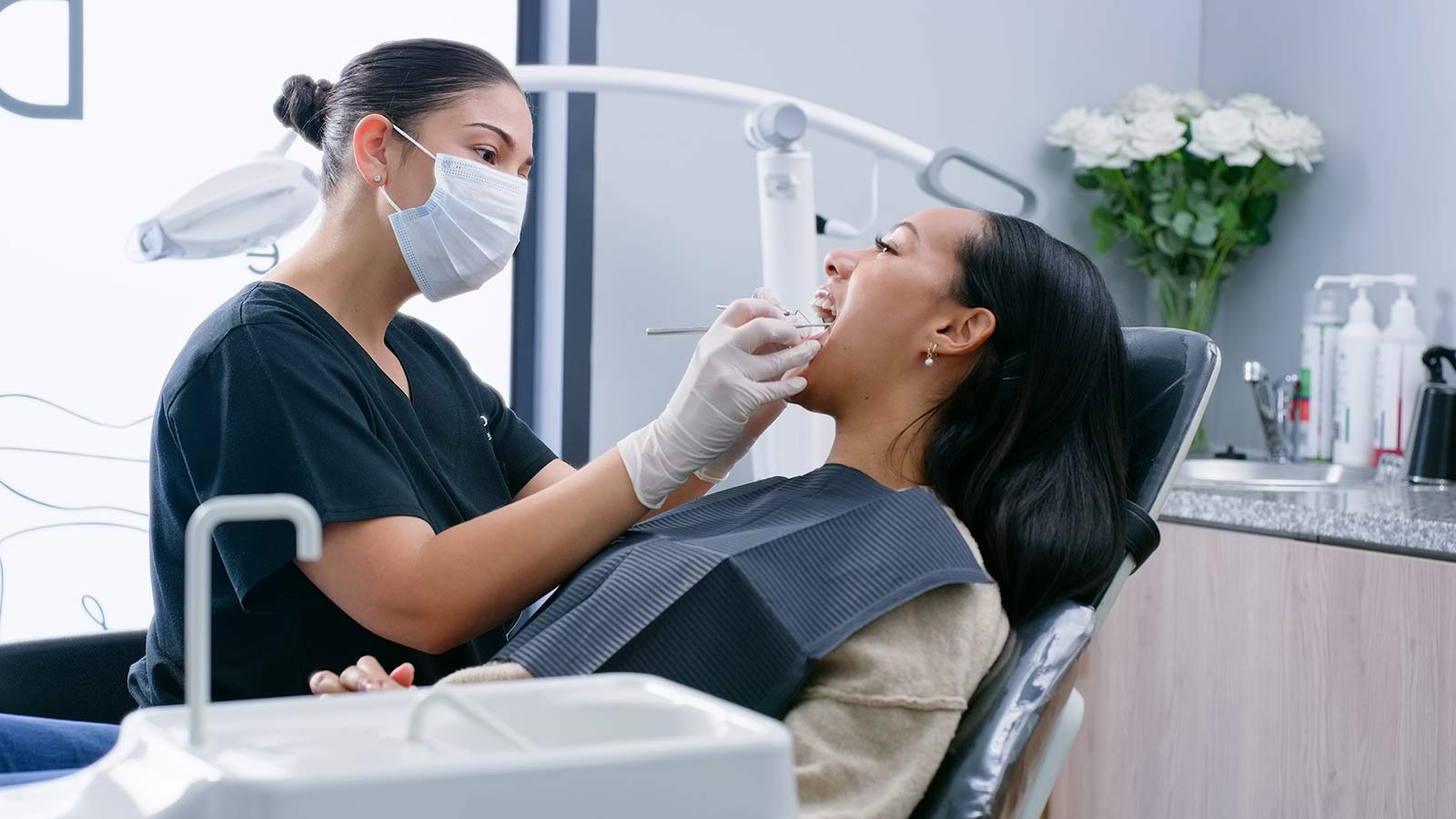
Dental work is an important part of staying healthy, but millions of Americans continue to face barriers to dental care — a challenge the industry is working to address through expanded coverage options and innovative delivery models. From routine cleanings to more complex dental procedures, getting the right care isn’t always easy. This is especially true for adults without coverage. In this article, we’ll explore the challenges shaping today’s dental system and the steps needed to make healthy smiles more accessible for everyone.
The #1 reason people avoid the dentist
Despite growing awareness about the importance of oral health, cost is still the most common reason people put off or skip dental visits. Research shows that more than 1 in 4 adults (about 28%) delayed or skipped medical or dental care in 2023 because it was too expensive. Dental visits, however, were among the most commonly delayed, more so than primary care or mental health services.
The financial burden isn’t the same for everyone, though. Adults without insurance and those with low incomes are more likely to say cost is a barrier. Hispanic adults and working-age adults, especially those between 30 and 49, were among the groups most affected. On the other hand, people with private dental insurance were much more likely to get the care they needed.
Visiting the dentist for preventive care
There’s often talk about people getting better at keeping up with dental care, but the numbers tell a more cautious story. According to the Centers for Disease Control and Prevention, only about 65% of adults had a dental exam or cleaning in 2023. That means more than a third of adults went without even basic preventive care over the course of the year.
Preventive visits, like cleanings and routine checkups, are key to catching issues early before they turn into something more serious or expensive. They also support overall health. For people with chronic conditions like diabetes or heart disease, regular dental care may help reduce complications. Pregnant individuals and older adults may also benefit from routine visits as part of their broader wellness plan.
So, while preventive care remains one of the best tools we have for maintaining oral health, millions of people are still missing out. Improving access and encouraging routine visits are important steps toward reversing that trend.
More coverage through public programs
Public programs like Medicare Advantage and Medicaid are playing a bigger role in helping people get the dental care they need. While traditional Medicare still doesn’t cover routine dental care, many Medicare Advantage plans now include dental benefits. Millions of older adults have gained access to preventive and basic dental services through these plans.
Medicaid is another major source of dental coverage, especially for low-income families. But what’s covered depends on the state. Some states provide comprehensive dental benefits for adults, while others offer only emergency care or no coverage at all. Children usually receive more complete coverage through Medicaid and CHIP, but access can still vary depending on where you live.
As more people rely on public programs, dental practices are adjusting to new billing systems, administrative requirements, and reimbursement rates.
Reshaping the industry
Another big shift is the growing number of dental service organizations, or DSOs. These organizations handle things like billing, hiring, marketing, and purchasing so that dentists can focus more on patient care. The DSO model is especially popular among new dental school grads who prefer working in an established setting rather than starting their own practice.
Group practices supported by DSOs can help expand access to care, especially in rural or underserved areas. They also give practices access to the latest tools and technologies. Analysts expect the DSO model to keep growing at a rapid pace.
Improving dental care through technology
From virtual appointments to AI-powered diagnostics, technology is transforming how dentists care for their patients. Intraoral scanners are replacing old-fashioned molds, and many offices now use apps to send appointment reminders, collect payments, and share after-visit instructions. Artificial intelligence is also being used to analyze dental X-rays and spot early signs of tooth decay or gum disease. Findings reveal that these tools not only improve accuracy but also help reduce the administrative burden on providers.
For patients, especially younger ones, the convenience of digital tools can make the whole process easier. Online scheduling, virtual check-ins, and mobile apps are becoming more common in many offices.
Behind-the-scenes pressures
While technology is helping in many areas, dental practices still face major challenges behind the scenes. Staffing shortages, especially among hygienists and dental assistants, are putting pressure on teams. At the same time, providers face growing administrative demands as they navigate evolving reimbursement systems — another reason many rely on technology and network partnerships to streamline operations.
To manage these issues, many offices are turning to automated billing systems and practice management software. Some are narrowing the range of services they offer or outsourcing administrative tasks to stay efficient and keep costs down. All of this can affect patients too. In some cases, fewer staff or limited services mean longer wait times or reduced availability, especially in areas with limited provider options.
The pros and cons of financing options
Since dental work can be expensive, more providers are offering financing options like medical credit cards or installment plans. While these tools can make care more affordable upfront, they can also carry risks. Some cards offer zero-interest promotions, but if the balance isn’t paid off on time, interest charges can kick in quickly. Others may include fees or unclear terms that catch patients off guard. A recent Time magazine article raised concerns about patients being enrolled in plans without fully understanding the costs. To help protect patients, some states are considering rules that would require clearer disclosures and informed consent when offering financing options.
Lack of access to basic dental care
Even with all the improvements in coverage, technology, and care delivery, many Americans still struggle to get basic dental services. A recent report found that over 72 million adults in the U.S. don’t have dental insurance. While a recent survey conducted by CareQuest Institute for Oral Health highlighted that approximately one third of 9,000 adults surveyed haven’t seen a dentist in the past year.
Lack of care leads to more than just potential toothaches. It can lead to long-term health problems, missed work, and a lower quality of life. In some cases, people end up in the emergency room for dental issues that could have been treated easily and inexpensively earlier on. Community clinics and nonprofit programs help fill some of the gaps, but there’s still a long way to go in making dental care accessible to everyone.
As new models of care evolve and digital tools become more prevalent, the focus will need to remain on making care more accessible, transparent, and equitable. Everyone deserves a healthy smile, no matter where they live or how much money they make. At Ameritas, we recognize that improving access to dental care requires collaboration between providers, employers, and insurers. By expanding coverage options, simplifying administration, and integrating technology, we’re helping more people access the care they need for lifelong oral health.
Sources and References:
The Peterson-KFF Health System Tracker
American Dental Association
Centers for Disease Control and Prevention (CDC)
Medicare
Northern District Dental Society
Grand View Research
Time Magazine
CareQuest Institute for Oral Health – Out of Pocket: A Snapshot of Adults’ Dental and Medical Care Coverage
CareQuest Institute for Oral Health – Despite Progress, Millions Still Face Barriers to Adequate Oral Health Care
